

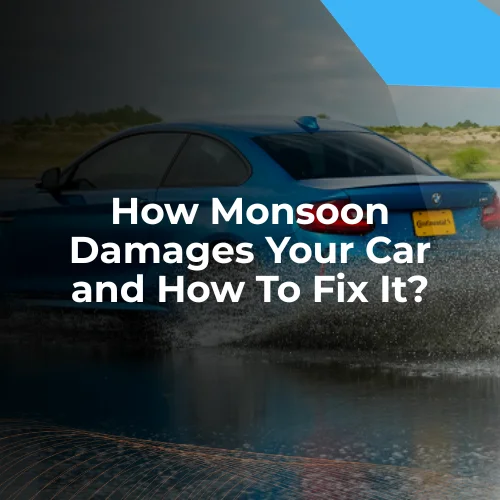
Every year, the monsoon brings much-needed relief from the summer heat. But while the rain is good for the weather, it can be tough on your car.
Rainwater, humidity, waterlogged roads, mud, and frequent changes between wet and dry conditions can slowly damage your car’s paint, metal, rubber parts, and interior. Understanding how monsoon damages your car can help you take preventive action before small issues turn into expensive repairs.
The good news is that most monsoon damage can be treated when caught early. At Aquatint Detailing Studio, which is considered as a top car detailing center in Pune, we can help restore your car and protect it from future seasonal damage.
Why Is Monsoon Hard on Cars?
Monsoon can last for several months, giving your car very little time to stay completely dry. Rain, humidity, mud, and road contamination can all contribute to vehicle damage.
Rainwater can sit on the paint and metal for hours. Over time, this can affect the protective layers on your car. Repeated wet and dry conditions can also affect paint, rubber seals, and other exposed components.
This is why following practical car maintenance tips in the monsoon can make a significant difference. Regular washing, checking damaged paint, keeping the interior dry, and inspecting the underbody can help prevent bigger issues.
Common Ways Monsoon Damages Your Car
1. Water Spots and Faded Paint
When rainwater dries on your car instead of being washed away, it can leave water spots. Minerals and contaminants left behind by evaporated water can become increasingly difficult to remove and may affect the clear coat over time.
Regular washing and proper drying can reduce the buildup of these contaminants and help maintain the paint finish.
2. Rust and Corrosion
One of the most common concerns during the rainy season is rust.
A small scratch or paint chip can become an entry point for moisture. Areas such as the bonnet, doors, wheel arches, and lower body panels can be particularly vulnerable when the paint has already been damaged.
What starts as a tiny chip can gradually become a larger rust patch if it is ignored.
3. Rust on the Underbody and Wheel Arches
Your car’s underbody is constantly exposed to water, mud, dirt, and road contaminants during the monsoon. Because these areas are difficult to inspect and clean properly at home, damage can sometimes remain unnoticed.
For vehicles regularly driven through wet or muddy roads, anti rust underbody coating for monsoon can provide an additional protective barrier against moisture and corrosion.
An underbody inspection is especially useful before and after the monsoon season.
4. Mould and Bad Smells Inside the Car
Wet floor mats, umbrellas, damp clothes, and moisture entering through worn door seals can make the cabin damp.
This creates a suitable environment for mould and mildew. If moisture gets into the carpet or upholstery, it can cause stains and unpleasant odours.
Many car owners also wonder how to remove the damp smell from cars in the rainy season. The first step is to identify and remove the source of moisture. Wet carpets, floor mats, upholstery, or water trapped inside the cabin need to be properly dried and cleaned.
For persistent odours or visible mould, professional interior detailing and deep cleaning can help clean areas that are difficult to treat with ordinary household products.
5. Electrical Problems
Modern cars have many sensors, wires, connectors, and electrical components around the lower body and doors.
Driving through heavily waterlogged roads or allowing water to enter sensitive areas can contribute to corrosion. Depending on the affected component, this can result in issues such as warning lights, sensor problems, or electrical faults.
Avoid driving through deep water whenever possible, especially when the water level is difficult to judge.
6. Damage to Rubber and Plastic Parts
Rubber seals around doors and windows, wiper blades, and plastic exterior components are repeatedly exposed to rain and changing weather conditions.
Over time, rubber can become less flexible and may crack. Damaged seals may also allow more moisture to enter the cabin.
Checking wipers, door seals, and other rubber components should therefore be part of your regular monsoon inspection.
Monsoon Car Damage Prevention: What Should You Do?
The best approach is to deal with small problems before they become major repairs.
Simple preventive measures include washing away mud and road contaminants regularly, drying the car properly, checking paint chips and scratches, keeping floor mats dry, inspecting rubber seals, and checking the underbody after driving through waterlogged areas.
These basic steps are an important part of monsoon car damage prevention and can help reduce long-term repair costs.
How to Fix Monsoon Damage
Once damage has already appeared, regular car cleaning products may not be enough. Proper inspection and repair are important to fix the problem at its source.
1. Start With a Proper Inspection
A professional body shop should first inspect the car under good lighting.
This helps identify water spots, paint oxidation, scratches, chips, dents, and early signs of rust.
Early detection is important because treating a small damaged area is usually easier than repairing corrosion after it has spread.
2. Paintless Dent Repair
Small dents caused by debris or minor accidents can sometimes be repaired without repainting, provided the original paint has not been damaged.
Paintless dent repair reshapes the panel from behind while keeping the original factory paint intact.
3. Treat Rust Before Painting
If a panel has active rust, the affected area needs to be properly treated before repainting.
Simply painting over rust is not a long-term solution. The corrosion can continue spreading underneath the new paint and cause the repair to fail prematurely.
Use the Right Paint Process
For scratches, chips, and heavily oxidised panels, a proper paint process includes surface prep, primer, base coat, and a protective clear coat.
Each layer has a specific purpose, and proper surface preparation is essential for achieving a durable and clean finish.
Spot Repair or Full Panel Repaint?
Not every car needs a complete repaint.
Small scratches, water spots, and isolated damaged areas may only need spot repairs. This can help retain more of the original paint and keep repair costs lower.
A full panel or full-body repaint may be more suitable when the damage covers larger areas or when multiple panels have significant paint deterioration.
Branded Paint vs Non-Branded Paint
The quality of paint and the repair process can make a significant difference in how long the repair lasts.
Branded automotive paint systems, such as PPG, are designed to provide consistent colour and finish when used correctly. Local or unbranded paints can vary in quality and may not provide the same level of consistency or durability.
A good clear coat is also important because it provides an additional protective layer against environmental exposure.
What Does Monsoon Repair Cost in Pune?
The cost depends on the amount of damage, the type of repair, the paint brand, and whether rust treatment is required.
Small spot repairs for minor scratches, water spots, or rust may cost a few thousand rupees per panel. Full-body painting can run into tens of thousands of rupees depending on the vehicle, paint system, preparation work, and finish.
Important factors that affect the cost include:
- Which paint brand will be used?
- Will rust be treated before painting?
- Is the paint cured in a proper booth?
- What type of clear coat will be applied?
- Does the vehicle require spot repair, panel painting, or a complete repaint?
Protect Your Car After the Repair
Repairing the damage is only the first step. Protecting the paint afterwards helps shield it against future monsoon damage. (Note: If a panel was recently repainted, allow a 30 to 60-day curing period for solvents to fully gas off before applying PPF or ceramic coatings, unless the paint was force-cured in a professional booth).
1. Ceramic Coating
Ceramic coating can make the paint surface more hydrophobic, allowing water to bead and roll off more easily.
It does not make the vehicle immune to scratches or corrosion, but it can make the surface easier to maintain and clean.
2. Paint Protection Film
Paint Protection Film (PPF) provides a physical protective layer over vulnerable painted surfaces.
It can be especially useful in areas such as the bonnet, front bumper, mirrors, and other locations exposed to stone chips and road debris.
3. Regular Washing
Gentle and regular washing during the monsoon helps remove mud, dirt, and rainwater residue before contaminants remain on the surface for long periods.
Avoid allowing thick layers of mud to dry on the vehicle, particularly around the wheel arches and lower body.
Why You Should Not Ignore Monsoon Damage
Small problems can become expensive when ignored.
A small paint chip can develop into rust. Rust can spread beneath the paint and make the affected area more difficult and expensive to repair. Poor-quality patch repairs or visible corrosion can also affect your vehicle’s appearance and potentially its resale value.
Getting the car inspected early and using the right repair process can help protect both its appearance and long-term condition.
Conclusion
Monsoon weather can affect almost every part of a vehicle, from the paint and underbody to the interior and electrical components.
When repairs are needed, proper rust treatment, quality automotive paint, professional preparation, and controlled curing can help produce a more durable finish.
At Aquatint Detailing Studio in Baner, the team handles everything from small spot repairs to full-body resprays. After the repair, PPF or ceramic coating can also be added to provide additional protection against future environmental exposure.
Frequently Asked Questions
Q1. Can monsoon rain damage my car paint?
Yes. Rainwater that dries on the paint can leave water spots and contribute to surface deterioration over time, especially when the car is not cleaned regularly. The best car wash in pune can help reduce seasonal wear.
Q2. How do I remove fungus and bad smell from a car?
Start by identifying the source of moisture. Remove wet floor mats, dry damp carpets and upholstery, and clean affected surfaces thoroughly. For deep or persistent mould and odours, professional interior car detailing centers in pune can provide deeper cleaning and sanitisation.
Q3. Can water spots be removed without repainting?
Light water spots can often be treated using dedicated acidic water spot removers or light paint correction and polishing. Deeper spots that have etched into the clear coat may require heavier compound polishing or spot repainting.
Q4. How much does full-body car painting cost?
The cost varies depending on the paint brand, finish, car size, surface condition, and extent of damage. Full-body repainting can run into tens of thousands of rupees.
Q5. Is branded paint worth the extra cost?
For many car owners, branded paint systems can be worth the additional cost because they generally offer more consistent colour, finish, and application characteristics than low-cost alternatives. However, the quality of surface preparation and application is equally important.
Q6. Does denting and painting affect my car warranty?
Body repairs do not automatically void a vehicle’s entire manufacturer warranty. However, warranty coverage can depend on the manufacturer, the repaired component, and how the repair was performed.
Q7. Should I get ceramic coating after a monsoon repair?
Ceramic coating in pune can be a useful additional protection after paint repair, provided the repaired paint has been properly finished and cured. It creates a more hydrophobic surface that can make the vehicle easier to maintain against rain, mud, and other contaminants.
Q8. Can I fix my car after water damage?
Yes, depending on the severity of the water exposure. A vehicle affected by limited water intrusion may be recoverable after proper inspection, drying, cleaning, and electrical checks.
Comments are closed